
Work In Progress Speaker Series with Hanna Dosenko

Invites you to our Work In Progress Series
"Autopsy of War: Dead Ukrainian Soldiers, Affect, and Expertise"
with
Hanna Dosenko
PhD candidate Anthropology at UC Irvine
Monday, November 30, 2026
4:00 p.m. - 5:00 p.m.
Hanna Dosenko is a PhD candidate (Anthropology) at UC Irvine, writing about high-risk environments, fieldwork under fire, and war dead.
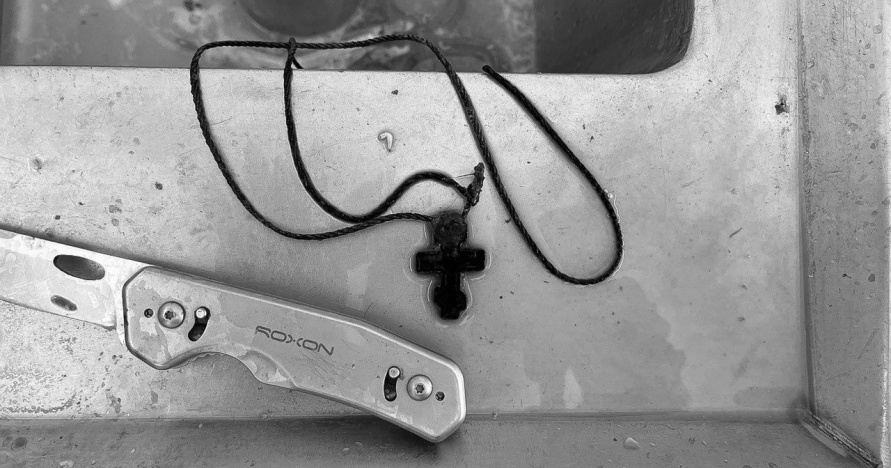
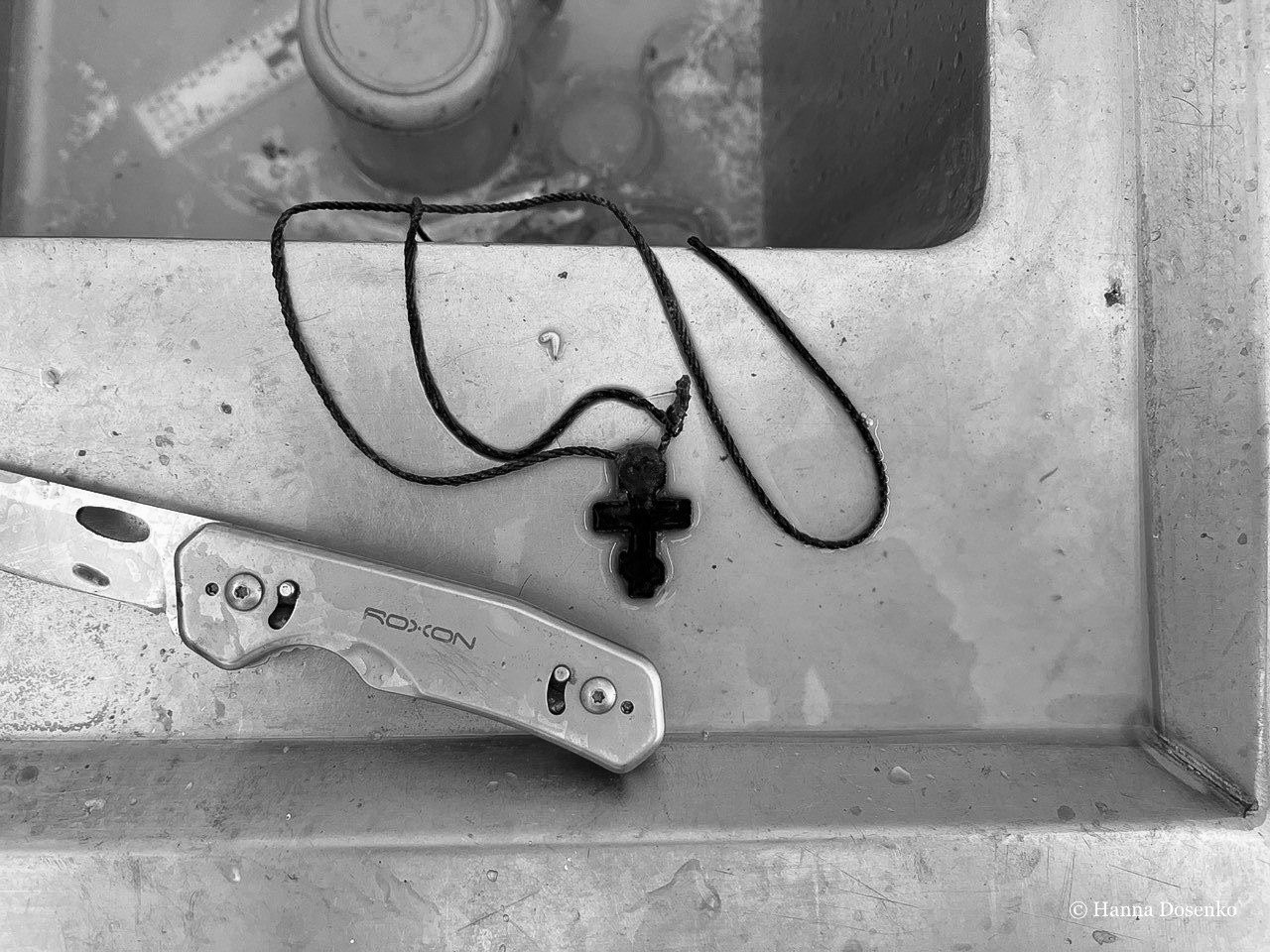
In wartime Ukraine, military and medical experts work in sustained proximity to the dead through everyday practices of body recovery, identification, and documentation. The military ethos of “no one left behind” extends into a posthumous regime of care. The dead body, in this frame, is continually mobilized in cultural and political discourse. I trace the journey of these bodies and those tasked with recovering them on the ground—from mass graves in de-occupied territories, through the morgues across Ukraine, to DNA labs and, eventually, burial grounds. This labor exceeds technical execution: it entails continuous, embodied engagement with the dead, where handling bodies becomes a routine yet ethically charged practice carried out within a prolonged state of war. Military search teams, forensic specialists, morgue workers, and families navigate a landscape where tending to the dead is inseparable from sustaining the living, and where care for the dead shows how society at war values human life. I conceptualize this process as making kin with the dead, not as a replacement for familial care, but as a socio-cultural transformation of the experts themselves. In conditions where war permeates all domains of life, those tasked with managing the dead are not external observers but are themselves implicated in loss, violence, and uncertainty. The research examines how sustained proximity to the dead reshapes experts’ emotional registers, ethical commitments, and sense of self. It also attends to the visual politics of death work: while the dead body is continually mobilized in public discourse, the labor of recovering, handling, and identifying it remains largely hidden from view. I examine how this intimate domain of war is kept out of sight, through restrictions on photography, protocols of forensic documentation, and practices of discretion toward families and the public, and what this invisibility reveals about which images of war a society can bear to see. Based on two years of multi-sited ethnographic fieldwork across mass grave sites, morgues, and forensic laboratories in Ukraine, I ask: How is war felt, endured, and embodied through the routines of death work?
Content note: This talk focuses on the people who recover and identify the war dead, not on the remains themselves. This presentation discusses death but does not include graphic images.