
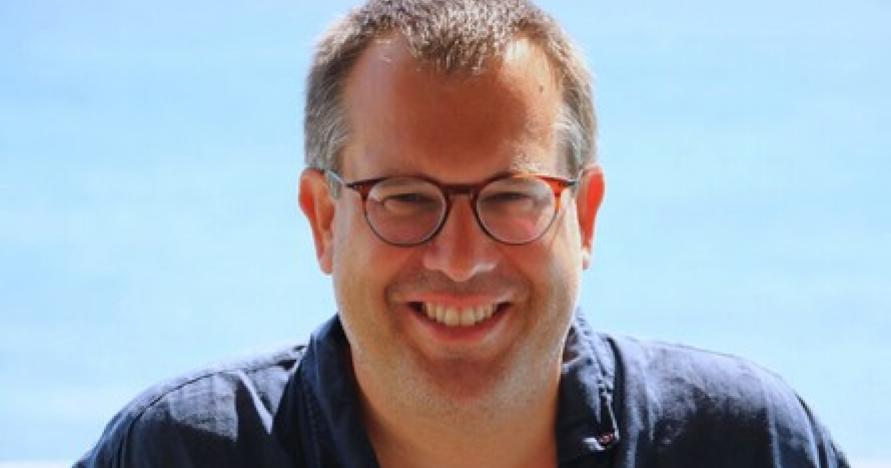
Skepticism and two perspectives of self-reflection, by Guido Melchior (University of Graz)
This section contains archived content made available for reference, research, or recordkeeping purposes. These materials are not actively maintained and may not meet current accessibility standards, such as WCAG 2.1 Level AA. If you need assistance accessing this content or require an accessible format, please contact sohwebmaster@uci.edu. We are committed to ensuring access for all users and will provide accommodations promptly upon request.
A talk by Guido Melchior (University of Graz)
Skepticism and two perspectives of self-reflection
Reflective human beings have the capacity to reflect on their own mental states from two distinct perspectives, from an ordinary 1st-person-perspective and from a 3rd-person-perspective by taking a detached point of view towards their own mental states that mimics reflection about mental states of others. Such 3rd-person-perspective is, for example, involved in methods of mindfulness and cognitive defusion in psychotherapy. In this paper, I investigate a particular instance of this capacity, namely reflecting on the truth of one’s own beliefs from two perspectives. As I will argue, these different perspectives can reveal different judgments about the truth of one’s own beliefs. Ordinary self-reflection from a 1st-person-perspective rather automatically leads to higher-level beliefs in the background that one’s own beliefs are true. Self-reflection from a 3rd-person-perspective, in contrast, can also lead to judgments that one’s own beliefs are false or to judgment suspension about the truth of one’s own beliefs. Each perspective has its merits and weaknesses. As I will argue, one version of the skeptical problem arises from two perspectives of self-reflection. While ordinary self-reflection from a 1st-person-perspective leads to common-sense anti-skepticism that our external world beliefs are true, self-reflection from a 3rd-person perspective supports a skeptical stance of judgement suspension about their truth.