
Nowruz and the Persian poetic tradition
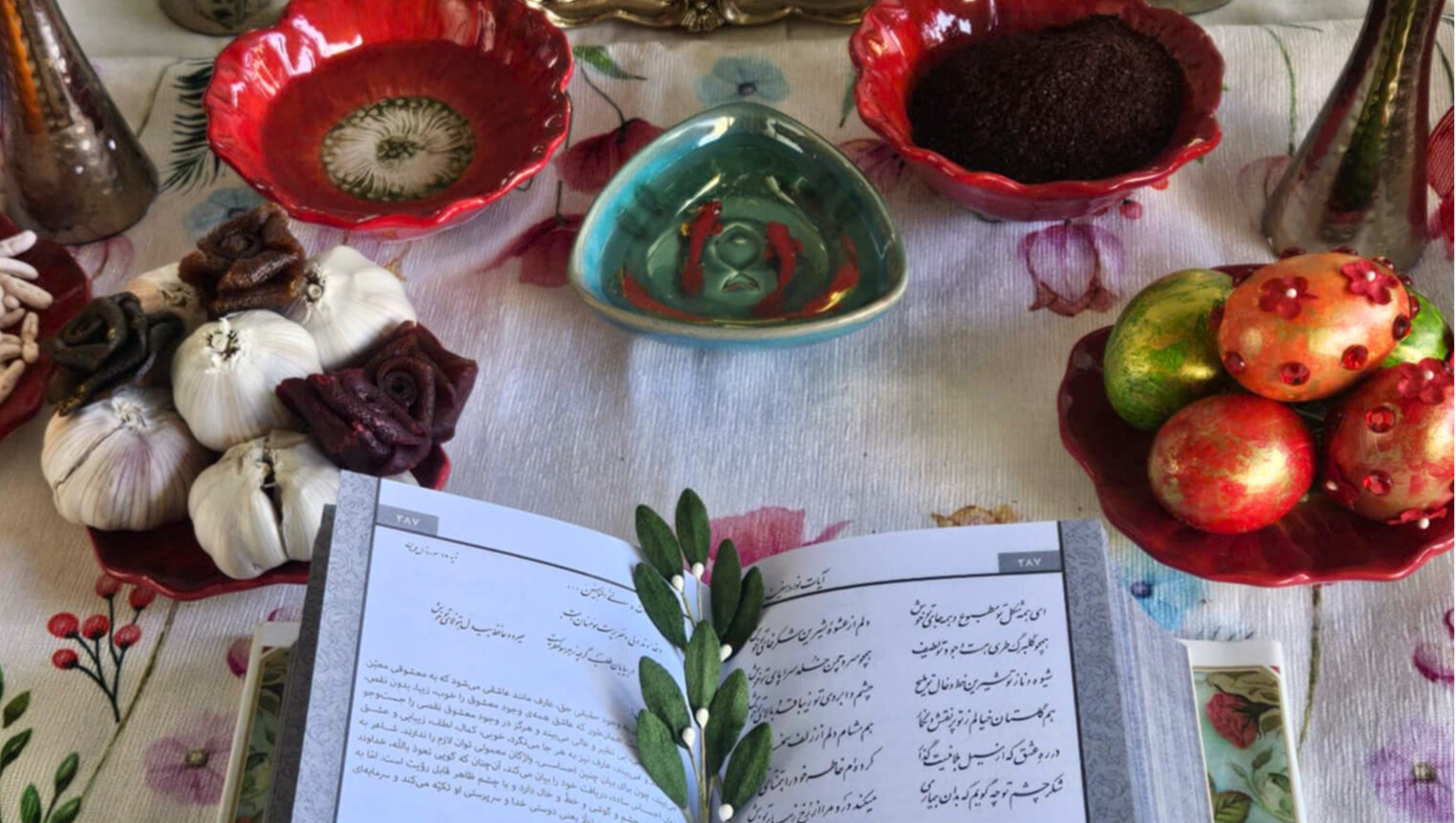
The Persian New Year, known as Nowruz, is one of the world’s oldest holidays. It is typically a time of renewal, reunion and hope for the year ahead. This year, however, the celebration arrives under the shadow of loss and violence, making the usual festivities feel out of reach for countless Iranian families.
UC Irvine Professor of Comparative Literature Nasrin Rahimieh, a specialist in modern Persian literature, turns to poetry to find language for this grief. She offers her own English translation of a twentieth-century poem that imagines a spring stripped of its promise and reflects on what it means to hold onto hope in darker times.
Springtime by Enayat-Allah Najd Samiee
Neither the garden, nor the Spring has any fragrance
The rain-sodden trees’ tears are involuntary
For their blossoms were shorn off before Spring.
The seedlings’ blood stained the sickle’s blade.
O bloodied soil, what can grow on you this year?
So Spring, turn your back to tears, blood, and death.
Go back! The garden wants nothing to do with you.
This year, our garden doesn’t have a Spring.
بهاریه
نه باغ را بویی
نه بهاران را، آبرویی
اشک درختان باران، خورده
بی اختیار است؛
آخر شکوفهها را،
پیش از بهار درو کردند.
خون جوانهها؛
از روی تیغ داس،
فواره زد.
ای خاک لاله گون !
بر دامنت، چه رُست، خواهد امسال؟،
از کشت، اشگ و خون،
بر گرد ای بهار !
بر گرد ! باغ با تو کار ندارد؛
امسال باغ ما بهار ندارد.
Nowruz, the Iranian New Year, celebrated on the first day of the spring equinox, symbolizes renewal of life. It is a time of festivity and a marker of auspicious new beginnings. This year, Nowruz will be marred for countless Iranian families who lost loved ones during the protests that erupted on December 28, 2025 and were met with a deadly crackdown by the Islamic Republic.

The unprecedented use of lethal force led to the massacre of thousands of Iranians whose families showed their defiance by foregoing religious burial and, instead, danced and sang at funerals. Now under bombardment by American and Israeli forces, Iranians face an even more uncertain future.
During these precarious times, the Persian poetic tradition can offer us visions of other springs when Nowruz was not a time of joyful celebrations. I offer my own translation of a poem written in the twentieth century by Enayat-Allah Najd Samiee, which invokes a springtime at once bereft of signs of new life and engulfed with bloodshed and violence. But the speaker’s attempt to forestall its arrival in the garden also hints at a desire to safeguard it for a more auspicious moment of return.
The close association between Nowruz and nature’s renewal reminds us that spring will return again when a new beginning can be celebrated.
Interested in reading more from the School of Humanities? Sign up for our monthly newsletter.